


eCommerce sales are expected to hit $6.35 trillion at a CAGR of 11.51% between 2023 and 2027. The numbers indicate that consumers are increasingly turning to online shopping for their daily essentials, making it crucial for consumer packaged goods (CPG) businesses to adopt analytical solutions and other omnichannel strategies to stay competitive in the rapidly evolving marketplace.
CPG businesses need help with their distribution channels, with traditional brick-and-mortar stores no longer being the sole means of distribution. By integrating different channels, such as physical stores, online marketplaces, and social media platforms into a cohesive system, businesses can offer a seamless shopping experience to customers.
We will discuss the opportunities presented by this dynamic retail landscape, and how businesses can seek expert assistance to navigate this change effectively.
Understanding Omnichannel
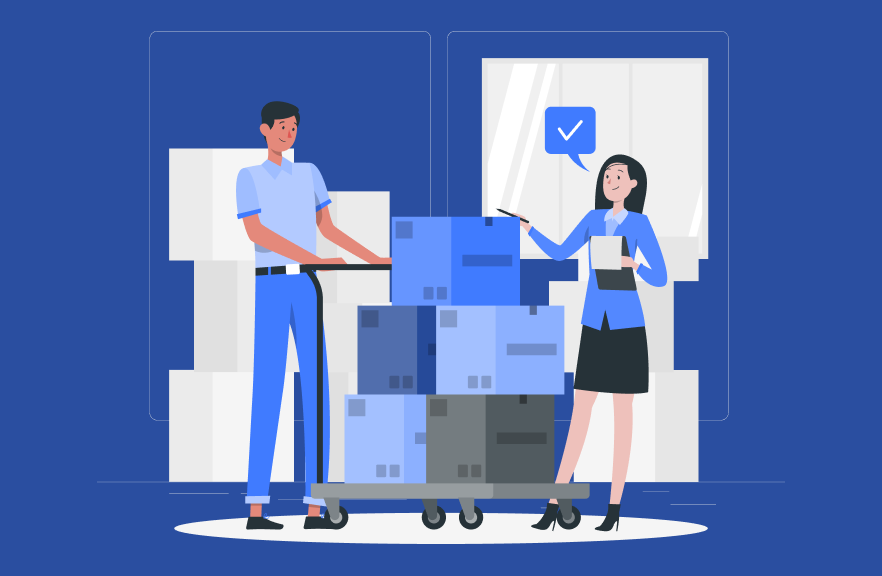
Omnichannel refers to creating a seamless and integrated shopping experience across all channels, including physical stores, online marketplaces, and social media platforms.
It delivers a consistent brand experience for customers, independent of how they choose to shop or interact with your brand.
Implementing Omnichannel Strategies?
Step #1: Analyze Customer Data
Gather and analyze customer data, including purchase history, browsing behavior, and preferences across different channels.
Step #2: Develop an Omnichannel Strategy
Develop a comprehensive omnichannel strategy that ensures a seamless customer experience across all channels, personalized offers and recommendations, and an optimized supply chain.
Step #3: Implement the Strategy Across All Channels
Implement the omnichannel strategy across all channels, including brick-and-mortar stores, e-commerce platforms, and mobile applications.
Step #4: Monitor and Optimize
Continuously monitor and optimize the omnichannel strategy, including adjusting pricing and promotions, improving inventory management, and refining the customer experience.
By leveraging analytics solutions, CPG and retail businesses can implement omnichannel strategies to gain a competitive advantage, increase customer loyalty, and drive revenue growth.
Learn more: CPG Trends to Watch Out For in 2023
Maximize Omnichannel Success with Analytics
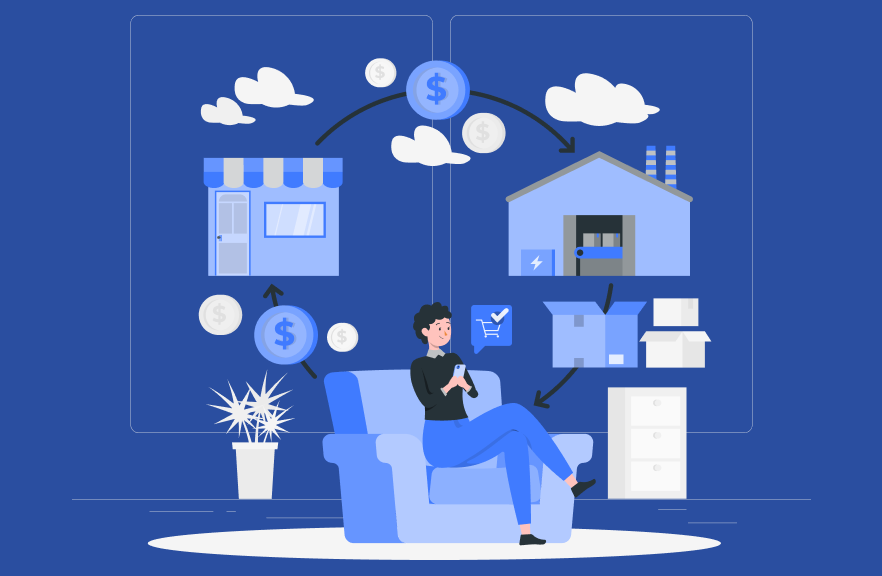
Analytics plays a crucial role in the success of omnichannel strategies for CPG businesses. By leveraging data and insights, CPG businesses can optimize their omnichannel strategy, improve customer experience, and boost sales.
We list some of the key benefits of using analytics solutions in omnichannel strategies.
- Efficient inventory management
- Customized marketing and promotional strategies
- Seamless customer journey across channels
- Optimization of supply chain operations
- Real-time insights for quick decision making
The Future of CPG and Retail Distribution
According to a report, the global omnichannel retail solutions market is expected to grow at a CAGR of 13.6% to reach $17.92 billion in revenue by 2030.
The future of CPG and retail distribution is rapidly evolving, driven by technological advancements, changing consumer behaviors, and market trends.
Key Trends That Will Shape the CPG Industry
#1 Increased Personalization
Consumers are increasingly seeking personalized experiences, which will likely continue in the CPG retail industry.
Brands must use data and analytics to better understand their customers’ preferences and create tailored experiences across all channels.
#2 Greater Use of Artificial Intelligence and Machine Learning
Artificial intelligence (AI) and machine learning (ML) are already used in various aspects of the CPG industry, from supply chain management to customer services.
These technologies will become even more prevalent, helping brands optimize their operations and deliver more personalized experiences.
#3 Emphasis on Sustainability
With growing concern about the impact of human activitiesy on the environment, consumers are becoming more conscious of sustainability when making purchasing decisions.
CPG brands must prioritize sustainability in their operations and messaging to appeal to eco-conscious consumers.
#4 Integration of Online and Offline Channels
To ensure a consistent experience across all touchpoints, brands must seamlessly integrate their online and offline channels as more consumers increasingly use both channels for shopping.
This may include implementing buy-online-pick-up-in-store (BOPIS) programs or creating pop-up stores to drive engagement and sales.
#5 Greater Focus on Direct-to-Consumer Sales
Direct-to-Consumer (DTC) sales have grown in popularity in recent years, and this trend will likely continue. CPG brands that have an established a strong DTC presence can build deeper relationships with their customers and gain greater control over their distribution channels.
Leveraging Analytics Solutions for Success in the CPG Industry
If you are a business leader in the CPG industry, consider leveraging analytics solutions to give your company a competitive edge. With analytics , you can increase your sales and revenue by reaching customers through multiple channels, provide a seamless shopping experience across all channels, improve customer loyalty and retention with a personalized experience, gain insights into customer behavioral analytics and preferences through data, and even improve your supply chain efficiency to reduce costs.
LatentView Analytics assists businesses worldwide in utilizing the potential data to drive success in the competitive world of CPG distribution. Our advanced analytics solutions offer valuable insights into customer behavior and preferences, optimizing your omnichannel strategy, and streamlining your supply chain operations.